Other types of Transportation Systems
Other types of Transportation Systems (21 images)
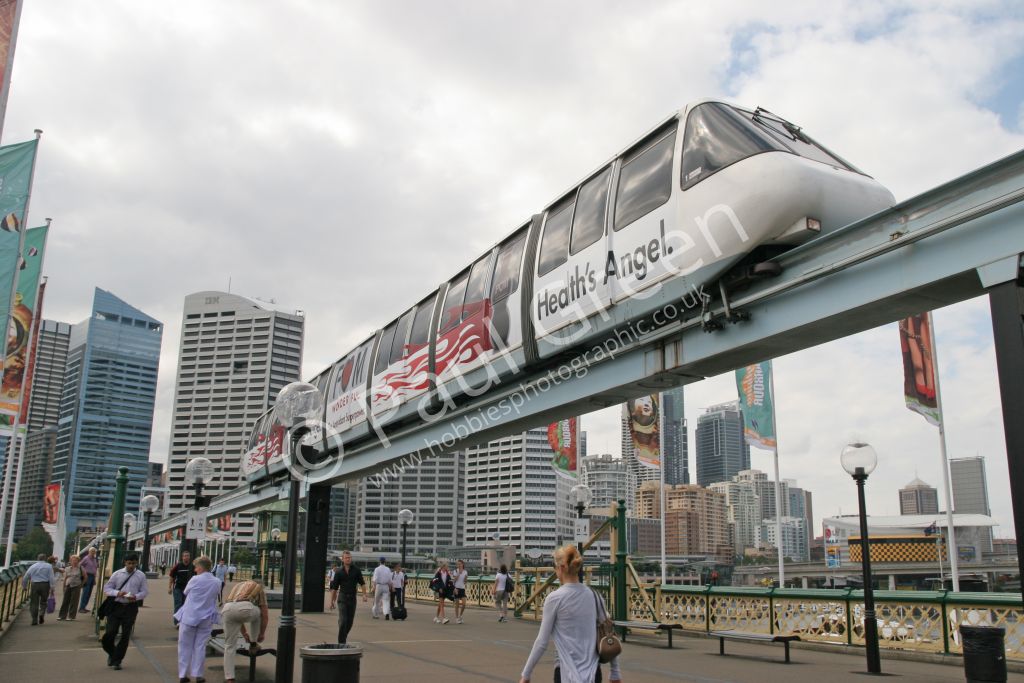
The Sydney Monorail near Darling Harbour Station,28th February 2009.The system was initially conceived in the late 1980s as part of the redevelopment of 50 hectares (120 acres) of land at Darling Harbour, providing a passenger link with the Sydney CBD. Initially operated by TNT Harbourlink, the monorail opened on 21 July 1988 after a construction period of 26 months.The first test services ran in October 1987 on a 500 metre section at Darling Harbour.In August 1998 TNT sold the monorail to CGEA Transport Sydney, which was owned by CGEA Transport (later renamed Connex) (51%), Australian Infrastructure Fund (19%), Utilities Trust of Australia (19%) and Legal & General (11%).

Bournemouth East Cliff Cliff Railway 39th August 2014.
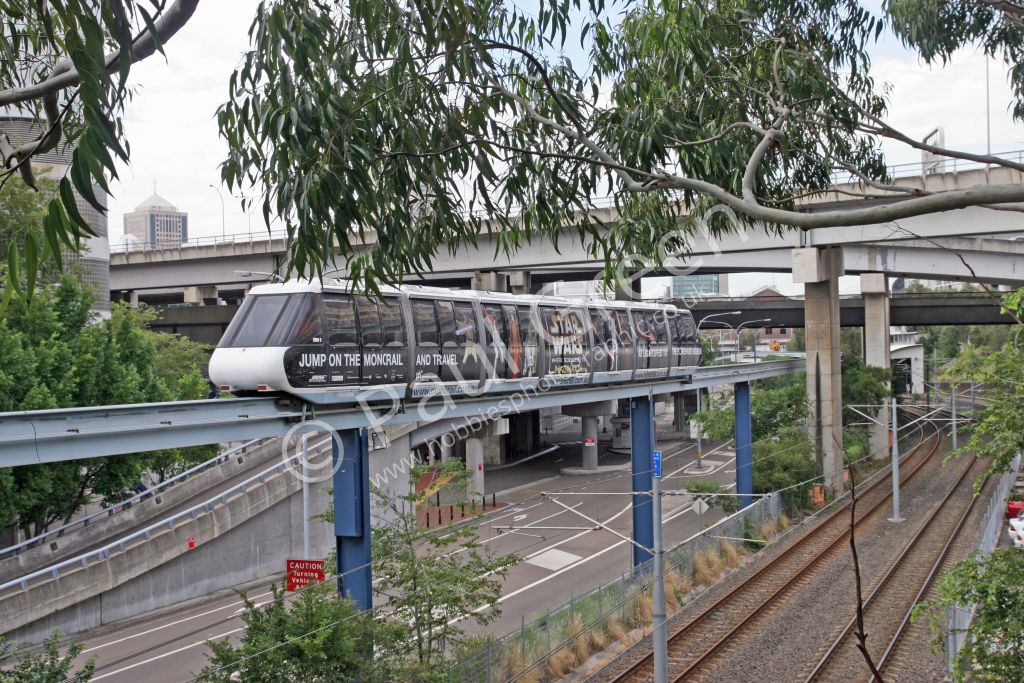
The Sydney Monorail near Darling Harbour Station,28th February 2009.The Government of New South Wales bought both the monorail and the light rail service from Metro Transport Sydney on 23 March 2012 to enable it to extend the light rail system without having to negotiate with the private owners, and to remove the monorail from the area near Haymarket required for the expanded Sydney Convention and Exhibition Centre.The monorail ceased operating on 30 June 2013 and all tracks and stations, except for the Paddy's Markets station, have been dismantled. Two carriages and 10 metres of track have been preserved at the Powerhouse Museum.Two carriages are being used as meeting rooms in Google's offices in Pyrmont.
